
Plenty of Flowers but Low Fruit Set? Strengthen Pollination with Beehives!
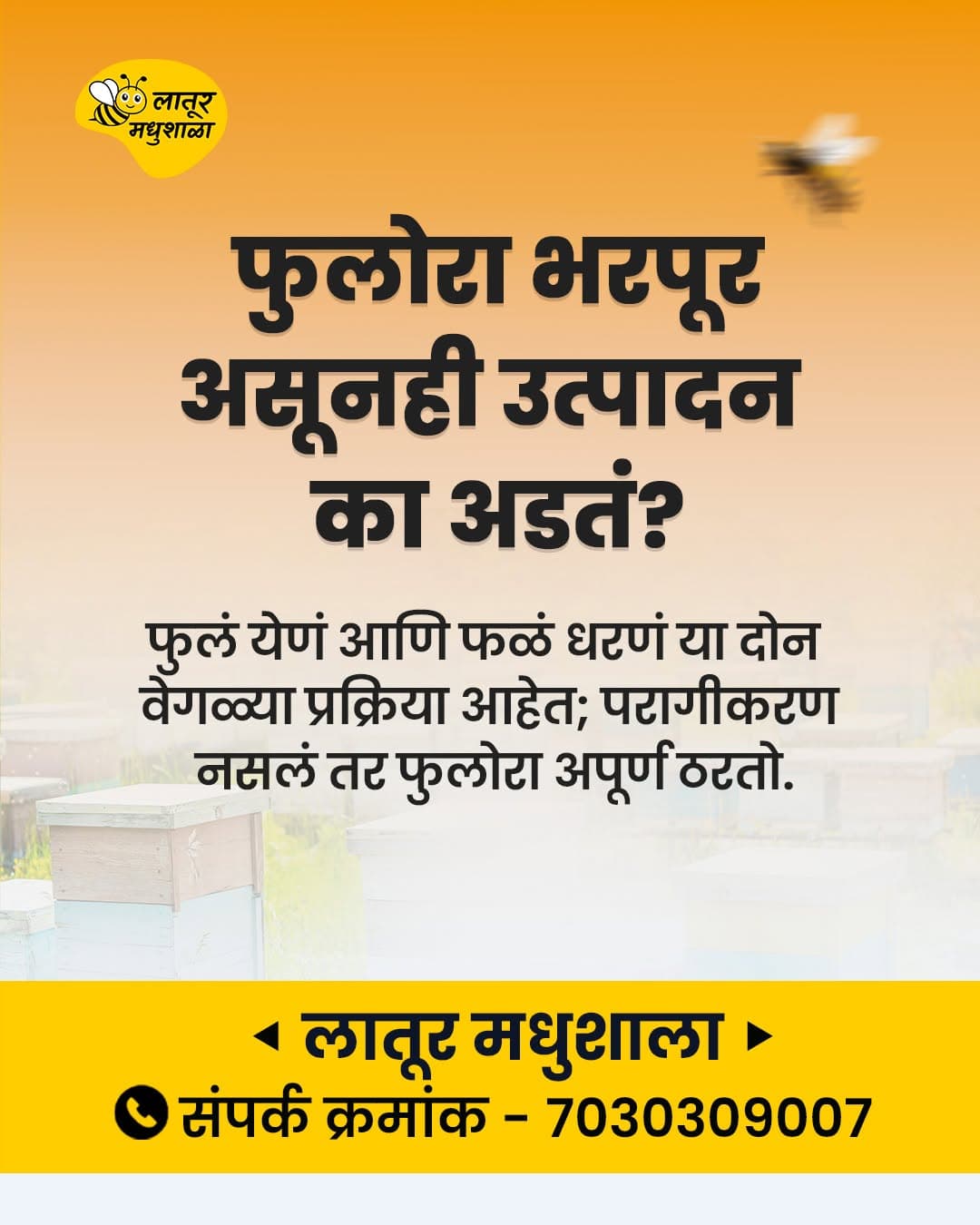
When a farm or orchard is covered with flowers, farmers naturally expect a good harvest. However, sometimes flowering is abundant while fruit formation remains disappointing. One possible reason is inadequate pollination.
Remember: Flowering and fruit formation are two different processes!
Even when fertilizer, water, and crop management are adequate, poor pollination can limit fruit set in crops that depend on insect pollinators. This is why pollination deserves as much attention as other important farm management practices.
🐝 What Is Pollination, and Why Does It Matter?
As honeybees visit flowers to collect nectar and pollen, they transfer pollen between flowers. This natural process is called pollination.
In many fruit crops and vegetables, successful pollination supports fertilization, fruit development, and seed formation. In certain crops, adequate pollination can also improve fruit size, uniformity, and quality.
🌼 Why Can Fruit Set Be Low Despite Abundant Flowering?
Several factors may contribute to poor fruit formation:
Insufficient pollination: Not enough pollen reaches the appropriate parts of the flower.
Fewer pollinating insects: Honeybees and other pollinators may be less active or less abundant during flowering.
Unfavorable weather: Temperature, rain, wind, and humidity can affect pollination.
Inappropriate pesticide practices: Certain pesticides can harm honeybees and other beneficial insects.
Crop-specific requirements: Different crops have different pollination needs, and some varieties require compatible pollen sources.
Understanding these factors helps farmers identify whether pollination could be limiting fruit production.
🌱 Beehives: Natural Support for Better Pollination!
Placing beehives in suitable locations during the flowering period can increase the availability of honeybees and support pollination in crops that benefit from their activity.
Potential benefits include:
More opportunities for flowers to receive pollen.
Improved fruit set in suitable crops.
Better fruit size and quality in some crops.
Support for natural pollination and agricultural biodiversity.
The results depend on the crop, weather, existing pollinator population, and farm management. Beehives are not a guaranteed solution for every crop or every fruit-setting problem, so proper planning is essential.
📅 Plan Pollination Before Your Orchard Reaches Full Bloom!
Do not wait until flowering is complete to think about pollination. Identify your crop's flowering period and arrange beehives at the appropriate time.
The number and placement of beehives should be planned according to the crop, orchard size, and pollination requirements. Farmers should also follow bee-safe pesticide practices and seek guidance from local agricultural experts.
📞 Advance Book Your Beehive with Latur Madhushala!
Are your plants producing plenty of flowers but fewer fruits than expected? Make pollination an important part of your crop management plan this season.
Latur Madhushala
📱 Call / WhatsApp: 7030309007
Contact us to discuss beehive requirements for your farm or orchard and book in advance for the upcoming flowering season.
More than flowering, successful fruit production needs the right conditions for pollination. Plan ahead and give your crops the support they need!
Note: Fruit set and yield depend on several factors, including crop variety, pollination, weather, nutrition, water management, and pest management.